Trump Backs Bibi, but Should Markets Weigh the Iran Theory?
Markets barely reacted to Trump's endorsement of Netanyahu, as Eisenkot keeps the lead. The question arises: Is the endorsement connected to Iran?


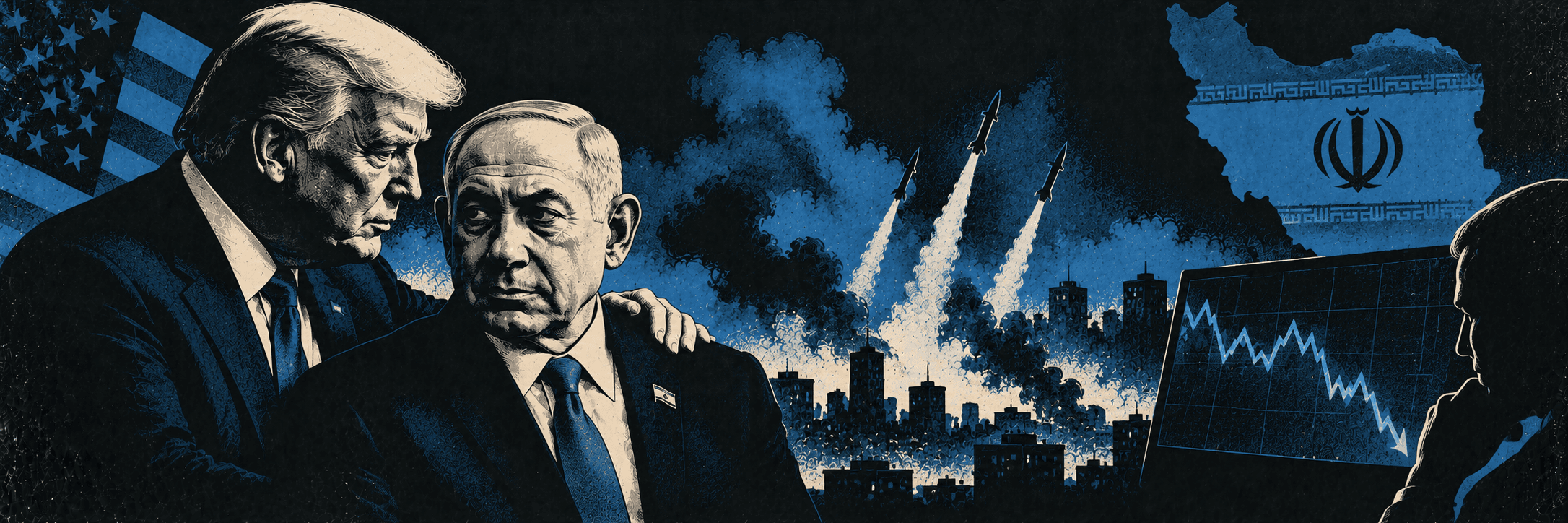
US President Donald Trump has thrown his support behind Benjamin Netanyahu ahead of Israel's October 27 election. And yet, prediction-market traders aren't rushing to follow his lead.
Gadi Eisenkot remains the favorite to become Israel's next prime minister after Netanyahu’s term. His odds currently (Tuesday, 14 UTC) sit at 48%, up 2% over the past week. Netanyahu follows with 31%, with Naftali Bennett in 3rd place at 14%. This shows Eisenkot in a significant lead.
This rather muted reaction from traders suggests that they aren't really convinced that Trump's support will move the odds sufficiently higher: that it will translate into enough votes or coalition partners to keep Netanyahu in office.
Eisenkot is leading several polls as well, and Trump must be aware of this. So why did he decide to back Netanyahu, and so late in the race, after weeks of uncertainty about whether the US president would intervene in the campaign at all?
Is Trump looking beyond the election?
The question about Trump’s endorsement extends beyond the election and into matters that concern him more, namely Iran. His endorsement may be about Washington’s plans for Iran and securing a partner for the next phase of the war.
On October 8, Trump said the US wouldn’t attack Iran before the November 3 midterm elections, claiming that discussions with Tehran were productive. He went on to suggest that oil prices could fall afterwards. But, in true Trump fashion, he has offered no detailed plan for ending the conflict.
This leaves the possibility of renewed military action wide open, especially once the domestic political pressure lessens.
And if that happens, Netanyahu could be a familiar partner, someone Trump believes would support US attacks. The US and Israel have already coordinated strikes against Iran, and Trump may be counting on this repeating.
However, an Eisenkot victory means a new prime minister to form a relationship with, and what the former Israel Defense Forces chief of staff’s position would be as a PM on any renewed campaign against Iran, in combination with the US, is still uncertain.
Though it’s early to assume he would oppose US military plans – or even that Netanyahu would support it should he remain in office – perhaps Trump is unwilling to take that risk.
Moreover, Netanyahu said on October 14 that he wasn’t seeking another attack on Iran before the Israeli election.
All this said, Trump may be endorsing an ally or trying to influence a close election. Either way, the market’s not responding, and traders appear unconvinced that his intervention changes this race.

This page does not constitute investing advice. Prediction markets and/or gambling may result in loss of funds. You are advised to conduct your own due diligence before taking any action.