Zelenskyy exit odds may face heavy pressure on markets
Trump’s criticism, election talk, and diplomatic pressure are putting Ukraine’s political future under the spotlight. But what are traders pricing in?


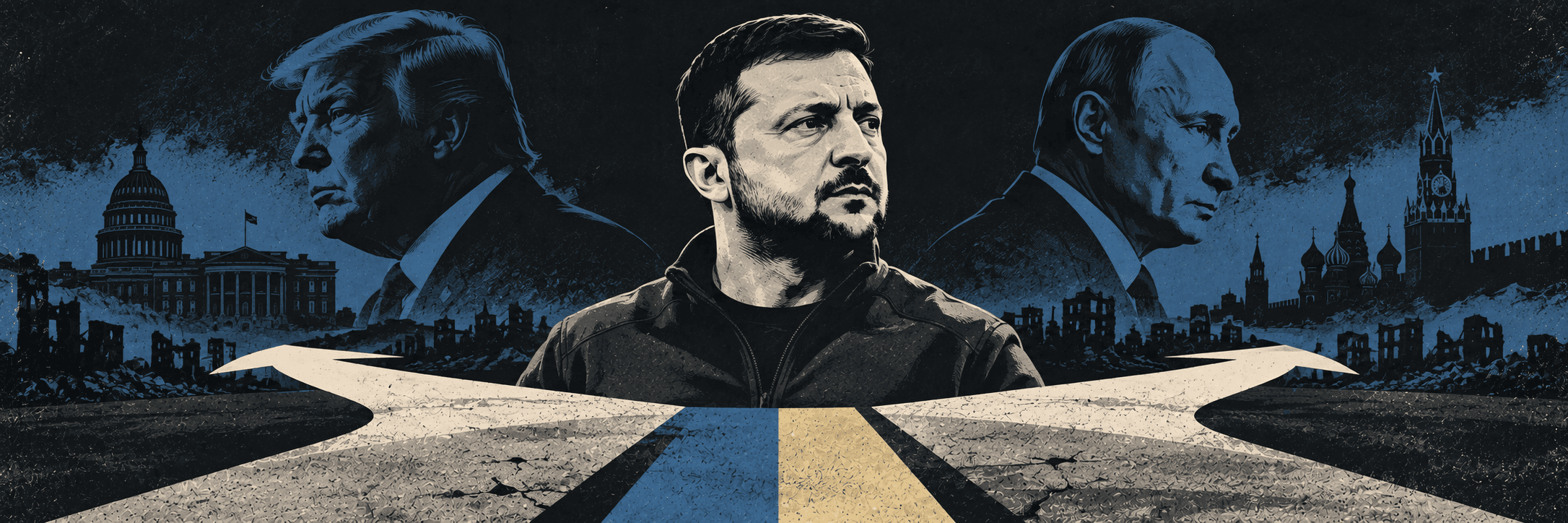
Traders are weighing carefully whether Volodymyr Zelenskyy will remain Ukraine’s president through the end of 2026, with several political and diplomatic pressures coming together, potentially influencing the prices.
The chances of Zelenskyy leaving are low, and the markets reflect that, but with developments involving Donald Trump, Russia, and potential elections, there are reasons to rethink those odds.
Traders are currently focused on two Zelenskyy-related markets: a presidential exit and an election announcement.
The possibility of Zelenskyy leaving office by December 31, 2026 currently stands at some 7%, which is a 2% increase over the last week. There’s more than $3.5 million in total trading volume.
Meanwhile, the market on Ukraine calling an election by December 31 also puts ‘Yes’ at around 7%, up 1% in a week, against $1.85 million in total volume. This market resolves if election date is announced, even if the vote itself takes place in 2027.
Both of these markets could theoretically be affected by internal and external forces, but would those be strong enough to bring about a change over the next three months – or if that’s even legally possible – is a different, massive question.
Trump’s pressure meets Ukraine’s election dilemma
There are several developments with a potential to challenge these low probabilities. On October 10, two days before the time of writing (Monday, 11 UTC), US president Trump said it was time for Ukraine to get a new president. He blamed Zelenskyy for failing to reach a peace deal and criticized Ukrainian strikes on Russian oil refineries.
Yet, these remarks followed a controversial deal Trump made, allowing Russia to supply diesel fuel to the US, with Kyiv stating that this could help finance Moscow’s war effort.
On October 11, Zelenskyy responded, saying that he’d organize elections if Vladimir Putin agreed to a 60-day total ceasefire. In an ABC News interview, he challenged Trump’s criticism and insisted that Ukrainians, and not foreign leaders, will choose their president.
But wanting to hold elections is not the same as scheduling them, and this is where legal framework comes into play. Ukraine’s martial law has been extended through October 31, every three months since Russia’s invasion, and Ukrainian law forbids holding national elections while martial law is in force.
So, even if Zelenskyy agrees to hold elections, the martial-law restrictions would need to be lifted or the legal framework changed in a very complicated process; special security arrangements would be needed, as well as enabling voting access for displaced citizens, and many more realistic obstacles.
Zelenskyy could technically resign, and presidential powers would be transferred to the speaker of parliament, but that is also very unlikely.
Though Zelenskyy leaving and elections being announced are both improbable, it’s important to traders to keep an eye on potential price-impacting events.

This page does not constitute investing advice. Prediction markets and/or gambling may result in loss of funds. You are advised to conduct your own due diligence before taking any action.