Iran markets see little chance of year-end de-escalation
Traders put the odds of a year-end ceasefire and an end to the US blockade below 40% as shipping attacks and diplomatic tensions continue.


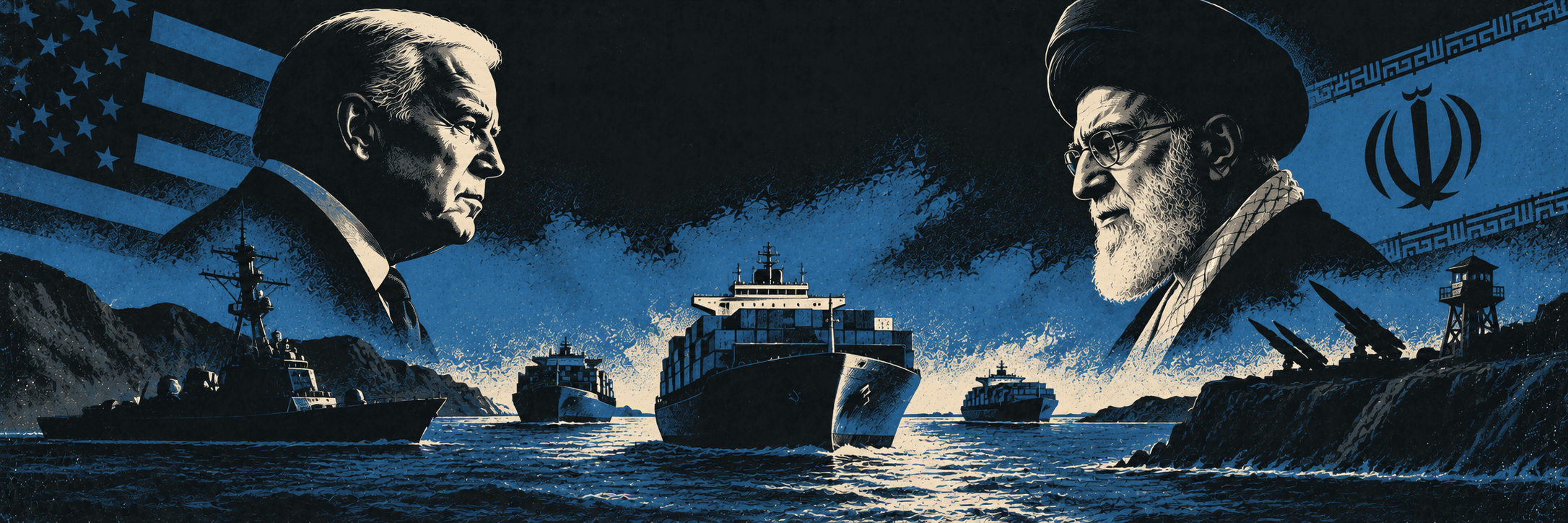
Iran-related markets on Polymarket attracted millions of dollars in a single day, as traders weighed the possibility of a diplomatic breakthrough before the end of 2026, with two key markets pointing to a very similar outlook.
Iran markets saw $5 million in trading on Friday, at the time of writing (11:30 UTC). Several related markets have seen notable activity, but two suggest a similar prospect.
The chances of the US-Iran ceasefire holding through December 31 now stand at 32%. The odds have been dropping over the past week and month. Traders don’t see the ceasefire ending in October and November, with the odds for that standing below 9% and 18%, respectively.
Meanwhile, in the US blockade market, traders give a 35% chance that the US will announce an end to the blockade by December 31.
The October and November odds for the same outcome are even lower, standing at 6% and 22%, respectively
The important distinction to make is that the ceasefire could collapse even if Washington later lifts its blockade. However, an agreement to end the blockade could help keep the truce.
That said, their similar pricing suggests that traders see a very difficult path toward sustained de-escalation over the next two and a half months.
Shipping attacks complicate the path to a deal
Several recent developments give traders reasons to stay cautious and think carefully about the odds. On October 14, Reuters reported that Iran was shifting its tactics to increase attacks on shipping. Officials are reported to have said that Tehran wanted to maintain pressure on oil prices and influence the US midterm elections. At the same time, the US has continued its naval blockade and economic pressure on Iran.
Moreover, Iranian leaders reportedly don't believe that a US strike is a matter of "if" but of "when." A source said that "the atmosphere in Tehran is such that people feel the bombings are going to resume in the short term."
The stakes go even beyond the two governments and into maritime security. The Strait of Hormuz is a critical route for global oil and gas shipments. Its ongoing disruption threatens energy markets, but also keeps pressure on Washington to find a resolution fast.
Meanwhile, traders are also watching who’ll lead Iran at the end of the year. In the Iran leadership-change market, the chance that Supreme Leader Mojtaba Khamenei loses his position by December 31 is around 15%, while the Iran leader market prices Khamenei as the most likely person to remain in power in this period.
Together, the markets suggest that traders see neither a long-lasting ceasefire nor a leadership change in the near future. While a shift is possible, it seems that traders don’t see it as probable.
This page does not constitute investing advice. Prediction markets and/or gambling may result in loss of funds. You are advised to conduct your own due diligence before taking any action.